

STRAIGHTTIME.ASIA, INDONESIA – Bank Indonesia has once again emphasized that the rupiah is not merely a medium of transaction, but a symbol of national sovereignty that must reach every corner of Indonesia, including its most remote frontier regions.
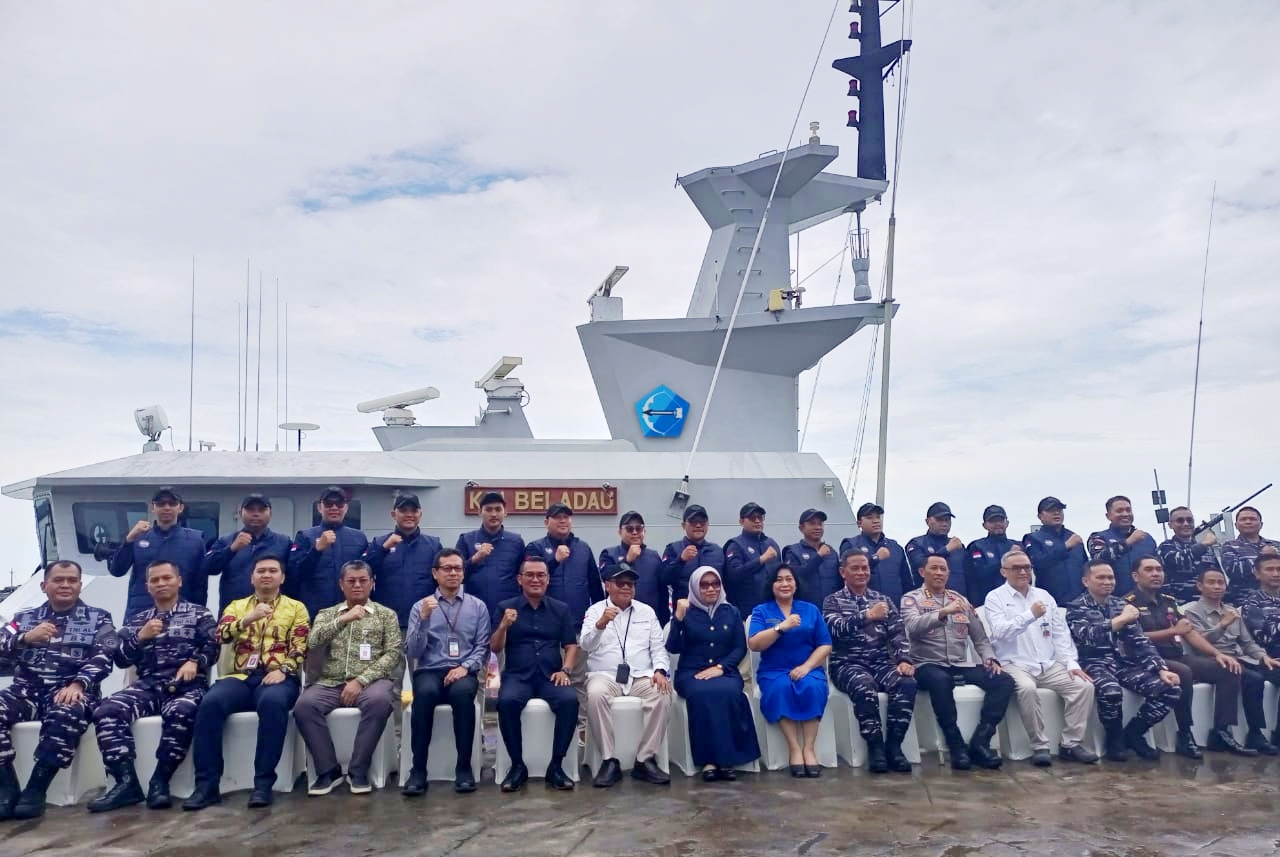
This commitment was reaffirmed through the official launch of the Ekspedisi Rupiah Berdaulat (ERB) 2026, which departed from Bintang 99 Port, Batu Ampar, Batam, on Wednesday (July 2, 2026).
The strategic national program, organized by Bank Indonesia of Indonesia”] Representative Office of the Riau Islands Province in collaboration with Indonesian Navy, forms part of Indonesia’s broader effort to ensure cash distribution while strengthening economic sovereignty across frontier, outermost, and remote regions, widely known as 3T areas.
Head of Bank Indonesia Representative Office for the Riau Islands Province, Rony Widijarto, stated that ensuring the presence of the rupiah throughout the country is a constitutional mandate that must be maintained, particularly in archipelagic regions facing significant geographical challenges.
“The rupiah is not only legal tender, but also a representation of national sovereignty. Therefore, Bank Indonesia ensures that communities in the outermost regions continue to have access to quality rupiah banknotes fit for circulation,” he said during the expedition launch ceremony.
This year’s expedition in the Riau Islands marks the 10th expedition out of 19 nationwide missions scheduled by Bank Indonesia throughout 2026. The annual national program is designed to ensure optimal cash distribution, particularly in remote regions categorized as 3T territories.
The 2026 expedition covers a maritime journey of approximately 1,135 nautical miles, sailing from Batam to several outer islands in the province, including Tarempa, Midai Island, Subi Besar Island, Tambelan Islands, and Singkep Island, before returning to Batam.
To support the operation, Bank Indonesia has prepared approximately Rp14 billion (around US$860,000) in cash that will be carried throughout the expedition. The funds are intended to meet public demand for quality banknotes while replacing damaged or unfit currency currently circulating in local communities.
Rony explained that the ERB program serves several key objectives, including withdrawing damaged banknotes from circulation, supplying communities with fit-for-circulation cash, maintaining sufficient cash availability in hard-to-reach areas, and ensuring the physical quality of rupiah banknotes remains suitable to support local economic activities.
“The availability of quality rupiah banknotes is extremely important for island communities, particularly in maintaining smooth economic transactions where access to banking services remains limited,” he emphasized.
The success of the program, he added, is inseparable from the long-standing partnership between Bank Indonesia and the Indonesian Navy, which has been established since 2012.
This collaboration enables rupiah distribution to reach geographically isolated areas, with naval fleet support, operational capabilities, and personnel playing a crucial role in ensuring Bank Indonesia’s cash services can extend across the archipelago.
“Through the Ekspedisi Rupiah Berdaulat 2026, Bank Indonesia reaffirms that every Indonesian citizen, including those living on the nation’s frontier and outermost islands, has equal access to fit-for-circulation rupiah,” Rony said.
The program ultimately serves as a clear symbol that safeguarding the quality and distribution of the rupiah is not merely about maintaining a payment system, but also about protecting Indonesia’s national economic sovereignty all the way to the outer boundaries of the Republic of Indonesia.
BY: IMAN SURYANTO